


Creative Storytelling Techniques to Help Young Kids Cope with Back to School Anxiety
- Jill Ross Nadler
- Jul 7
- 2 min read
Starting school after a break can stir up a lot of worries for young children. New teachers, unfamiliar routines, and meeting new classmates can feel overwhelming. Using imagination, storytelling, and creativity offers a gentle way to ease these anxieties. That's exactly what we do in our Less Stress Express program.
Check out some more fun storytelling techniques that parents and caregivers can use to help kids feel more confident and excited about going back to school.

Why Storytelling Helps with Back to School Worries
Stories allow children to explore feelings and situations in a safe space. When kids hear or create stories about characters facing challenges similar to their own, they learn new ways to handle emotions. Storytelling also sparks imagination, which can shift focus from fear to curiosity and adventure.
Using stories to talk about school helps children:
Understand what to expect
Feel less alone in their worries
Practice problem-solving through characters’ experiences
Build emotional vocabulary by naming feelings
Creating a Back to School Story Together
One of the most effective ways to use storytelling is to create a story with your child. This shared activity encourages open communication and helps you understand their specific concerns.
Steps to Create a Story
Choose a main character
Pick a character your child relates to, such as a brave animal, a friendly robot, or even themselves.
Set the scene
Describe the first day of school or a new adventure. Include details your child recognizes, like the classroom or playground.
Introduce a challenge
The character might feel nervous about meeting new friends or worried about a test.
Explore solutions
Show how the character uses creativity, asks for help, or tries something new to overcome the challenge.
End with a positive outcome
The character feels proud, makes a friend, or learns something exciting.
Encourage your child to add ideas or draw pictures to bring the story to life. This involvement helps them feel in control and more prepared.
Using Imaginative Play to Act Out Stories
After creating a story, acting it out can deepen understanding and reduce anxiety. Role-playing allows children to practice responses and express feelings physically.
Ideas for Imaginative Play
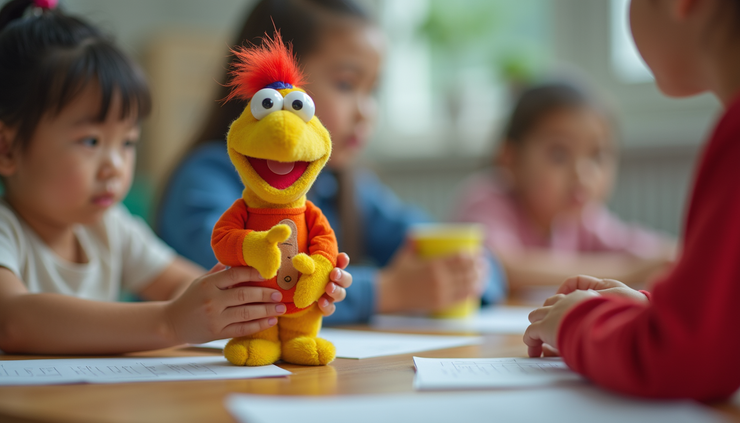
Use puppets or stuffed animals to represent characters.
Create simple costumes or props from household items.
Take turns playing different roles, such as the nervous student or the welcoming teacher.
Pause the play to ask your child what the character might do next or how they feel.
This hands-on approach helps children rehearse social situations and builds confidence.
Supporting Your Child Beyond Storytelling
While storytelling is a powerful tool, combining it with other supportive actions strengthens its impact.
Listen actively when your child shares worries.
Validate feelings by acknowledging that it’s okay to feel nervous.
Establish routines to create a sense of security.
Visit the school before the first day to familiarize your child with the environment.
For Imagination-Powered videos and activities to help kids manage back to school worries, check out LESS STRESS EXPRESS.
Together, these steps create a supportive atmosphere where kids can thrive.


Comments